How to Proof Cinnamon Roll Dough
How to proof cinnamon roll dough perfectly — how to tell when it's ready, the best warm spots, overnight cold proofing, and over- vs under-proof signs.
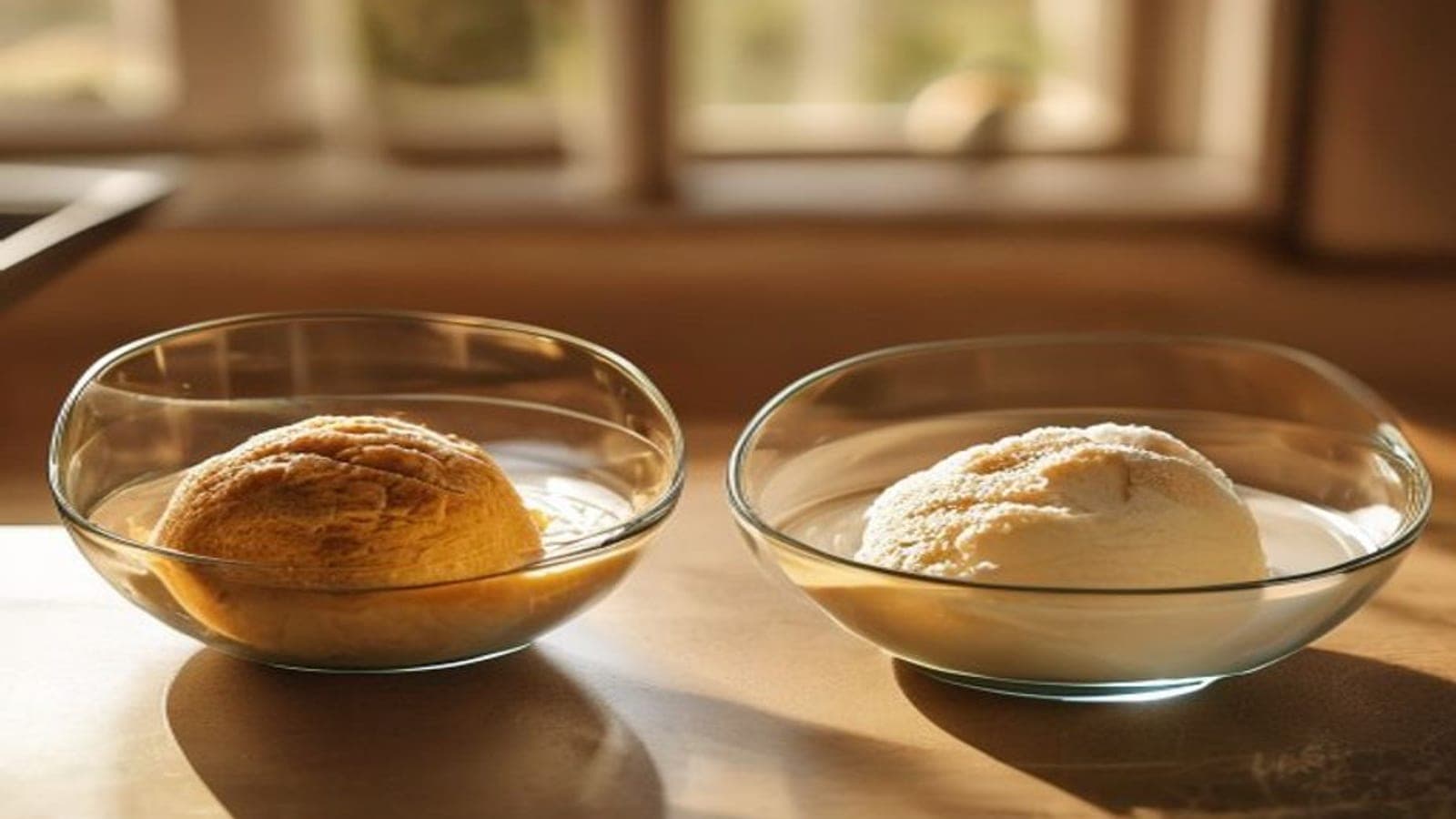
The quick answer
Proof cinnamon roll dough in a warm, draft-free spot (75–85°F) until doubled — usually 1 to 2 hours for the bulk rise and 30–45 minutes for shaped rolls. Judge by look and feel, not the clock: dough is ready when it's puffy and a light finger-poke springs back slowly, leaving a small dent. For overnight rolls, do a slow cold proof in the fridge, then let them finish at room temperature before baking.
What proofing does
Proofing (also called rising) is the resting time when yeast ferments the dough, producing carbon dioxide that inflates it and builds the light, tender crumb cinnamon rolls are known for. There are two proofs in most recipes: the bulk rise after kneading, and the second proof after the dough is rolled, filled, and cut. Both matter. Rushing either gives you dense rolls; overdoing either gives you flat, sour, or collapsed ones. The goal each time is to let the dough grow until it's airy and relaxed but before it exhausts itself.
How to tell when it's proofed
Watch the dough, not the timer — temperature, yeast, and humidity all change the speed. For the bulk rise, the dough should roughly double in size. The classic test is the poke test: press a lightly floured finger about half an inch into the dough. If the dent springs back slowly and leaves a slight indentation, it's ready. If it springs back instantly and completely, it needs more time (under-proofed). If it doesn't spring back at all and the dough sighs or deflates, it's gone too far (over-proofed). For shaped rolls, they're ready when they look puffy, feel pillowy, and are just touching in the pan — not ballooned into one another.
The best warm spots to proof
Yeast is happiest around 75–85°F. Good draft-free warm spots include: an oven with just the light on (not turned on), an oven that was warmed to its lowest setting for a minute then turned off, on top of the fridge, or near (not on) a sunny window. A reliable trick: put a mug of just-boiled water in a closed cold oven alongside the covered dough — the steam and gentle warmth create an ideal proofing box. Always cover the dough with a damp towel or plastic so the surface doesn't dry into a skin. Avoid anywhere too hot, like directly on a running stove, which can kill the yeast or over-proof the outside before the inside catches up.
Overnight cold proofing
Cold proofing is how overnight cinnamon rolls work, and it's genuinely convenient. After shaping and cutting, cover the pan tightly and refrigerate for 8 to 16 hours. The cold slows the yeast to a crawl, so the rolls proof slowly overnight and develop a little extra flavor. In the morning, take the pan out and let it sit at room temperature for 45–60 minutes so the rolls warm up and finish puffing before baking — baking straight from cold gives uneven, dense results. If your kitchen is cold, they may need longer; wait until they look puffy and are touching. See our overnight cinnamon rolls recipe for full timing.
Over-proofed vs under-proofed: signs and fixes
Under-proofed dough is dense, tight, and doesn't rise much in the oven; the poke test springs back instantly. The fix is simple — just give it more time in a warm spot. Over-proofed dough looks deflated or wrinkled, may smell strongly yeasty or sour, and collapses when touched; baked, it turns dense, gummy, or hollow and the swirls separate. If you catch over-proofing early, you can sometimes gently punch down and reshape the bulk dough to redistribute the gas, but badly over-proofed shaped rolls usually can't be fully saved — bake them anyway and expect a denser result. Prevention is easier than rescue: start checking early, especially in a warm kitchen where things move fast.
Frequently asked questions
- How long should cinnamon roll dough proof?
- Typically 1–2 hours for the bulk rise and 30–45 minutes for shaped rolls at room temperature, but go by look and feel — doubled in size and puffy — rather than a fixed time.
- What is the poke test?
- Press a floured finger half an inch into the dough. If the dent springs back slowly leaving a small indentation, it's proofed. Instant full spring-back means under-proofed; no spring-back means over-proofed.
- Can I proof cinnamon rolls overnight in the fridge?
- Yes. Shape them, cover tightly, and refrigerate 8–16 hours. In the morning, let the pan warm at room temperature for 45–60 minutes to finish proofing before baking.
- What temperature is best for proofing?
- Around 75–85°F in a draft-free spot. A closed oven with the light on, or with a mug of hot water inside, makes an ideal proofing box. Avoid heat above about 100°F, which can harm the yeast.
Tools that help
As an Amazon Associate, CinnamonRollsRecipe.com earns from qualifying purchases. Read our full affiliate disclosure.
Cinnamon rolls to try
- Classic Homemade Cinnamon RollsSoft, fluffy, bakery-style cinnamon rolls from scratch with a gooey brown-sugar filling and cream cheese frosting.
- Overnight Cinnamon RollsAssemble the night before, refrigerate, and bake fresh in the morning — a slow cold proof for deeper flavor and effortless mornings.
- One-Hour Cinnamon RollsWarm, frosted cinnamon rolls from scratch in about an hour using extra yeast and a single warm rise — no overnight wait.
More helpful guides
- Why Are My Cinnamon Rolls Dry? (And How to Fix It)The real reasons cinnamon rolls turn out dry — over-baking, too much flour, and over-proofing — plus exactly how to fix each one.
- How to Store & Freeze Cinnamon RollsHow to keep cinnamon rolls fresh at room temperature, in the fridge, and in the freezer — including baked and unbaked rolls.
- The Heavy Cream Trick, ExplainedWhat the heavy cream trick is, why pouring warm cream over cinnamon rolls before baking makes them soft and custardy, and when to use it.