Why Does My Cinnamon Roll Filling Leak Out?
Filling that runs out into the pan usually means butter that's too warm, too much sugar, or a loose roll — here's how to keep the swirl inside.
The quick answer
Cinnamon roll filling leaks out when the butter in it is too soft or melted, when there's too much sugar for the butter to hold, or when the rolls are rolled too loosely and sealed poorly. Use softened (not melted) butter, keep the filling to a spreadable paste, roll snugly, and pinch the seam closed. A little caramel bubbling in the pan is normal; a flood means one of these needs adjusting.
The short answer
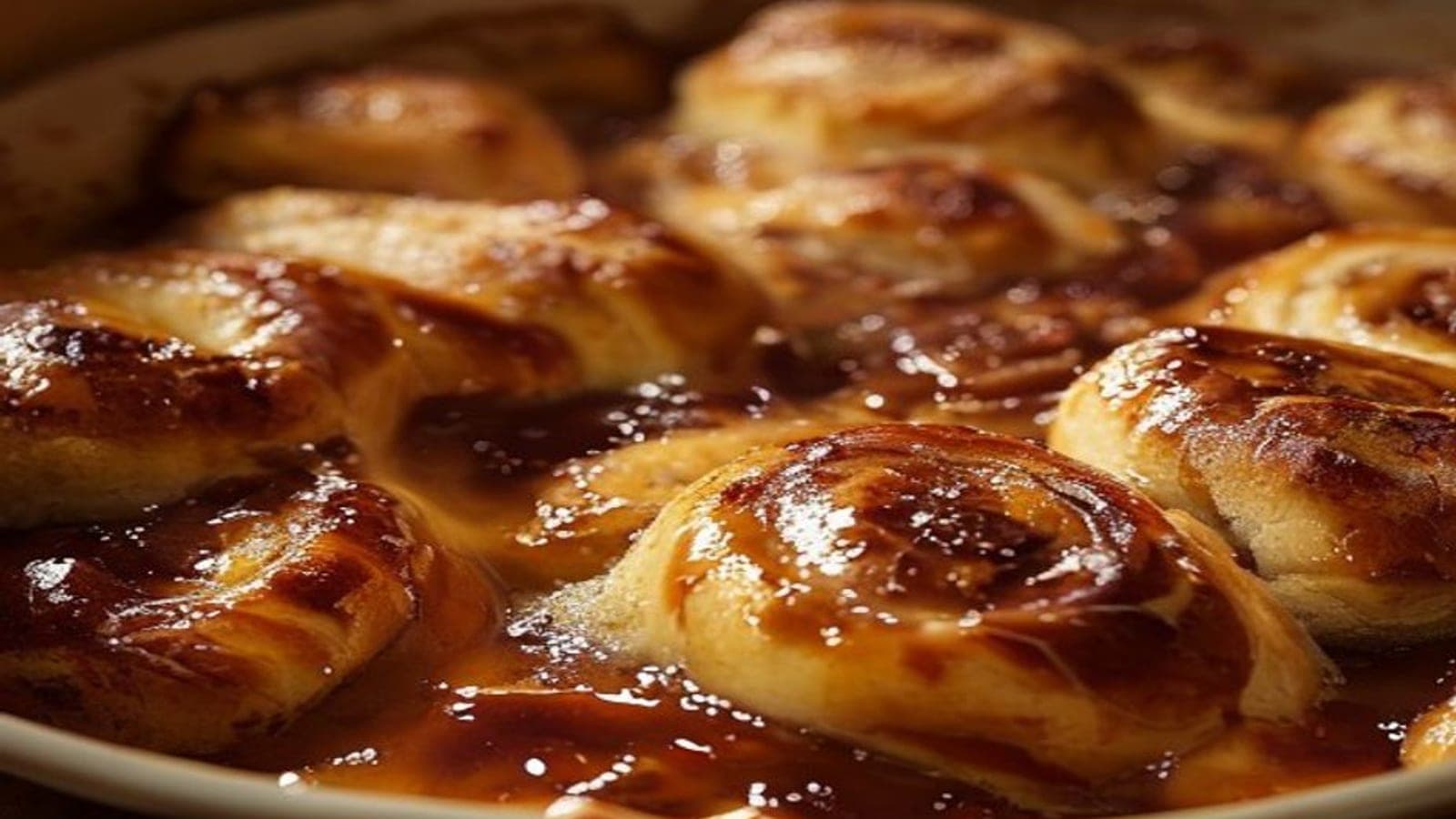
Some filling escaping is inevitable and even delicious — that's the caramel that pools at the edges. But a full leak, where most of the cinnamon sugar ends up as a burnt puddle in the pan and the rolls bake up bland, comes from a filling that's too liquid or a roll that isn't sealed. The three levers are the butter, the sugar-to-butter ratio, and how tightly you roll and seal. Adjust those and the swirl stays where it belongs.
Cause 1: Butter too warm or melted
Melted butter is the number-one reason filling runs. Brushing melted butter onto the dough soaks in and then flows right out as it heats in the oven, carrying the sugar with it. Use butter that's softened to a spreadable, mayonnaise-like consistency — soft enough to spread without tearing the dough, but still a solid paste, not a liquid. Mixing the softened butter together with the cinnamon and sugar into a spreadable paste (rather than layering melted butter then sugar) helps the filling cling to the dough and stay put through baking.
Cause 2: Too much sugar for the butter to hold
There's a limit to how much sugar a given amount of butter can bind. Pile on too much and the excess melts into syrup and leaks. If your filling always floods, dial the sugar back slightly or bump the butter up until the mix forms a cohesive paste rather than a wet, grainy slurry. Brown sugar behaves a little differently from white — its molasses helps it hold together and caramelize — but the same principle applies. A balanced paste that spreads cleanly is far less likely to run than a thick, over-sugared layer.
Cause 3: Rolled too loosely or seam not sealed
Filling also escapes through gaps. If you roll the dough loosely, the layers don't hug the filling and it slides out the ends and bottom as the butter melts. Roll fairly snugly (without stretching the dough so tight it tears), and leave a thin border of bare dough along the far edge so you can pinch the final seam closed. Place each roll seam-side down in the pan. Cutting cleanly with unflavored dental floss or a very sharp knife keeps the ends tidy so less filling weeps out during the bake.
How to minimize the mess and rescue leaked caramel
Line the pan or use a well-buttered dish so any escaped filling caramelizes rather than scorching and welding to the metal. Baking rolls snugly together also helps them hold each other's filling in. If some caramel does pool, spoon it back over the warm rolls after baking — it's pure flavor. And don't over-fill in the first place: a moderate, even layer of paste gives you a beautiful swirl with far less leakage than a thick, ambitious one. A dough scraper or bench knife makes it easy to lift and transfer cut rolls without squeezing filling out.
Frequently asked questions
- Should I use melted or softened butter in cinnamon roll filling?
- Softened, spreadable butter — not melted. Melted butter soaks into the dough and flows out during baking, taking the sugar with it. Soft butter mixed with the cinnamon and sugar into a paste clings to the dough and stays inside the swirl.
- Is it normal for some filling to leak out?
- A little is completely normal and tasty — that's the caramel that pools at the edges. A full flood that leaves the rolls bland and the pan burnt is the problem, and it points to melted butter, too much sugar, or loose rolling.
- How do I seal cinnamon rolls so they don't unravel?
- Leave a thin strip of bare dough along the far edge, roll snugly, then pinch that seam closed and set each roll seam-side down. This anchors the swirl and keeps filling from sliding out the bottom.
- What's the best way to cut the rolls without squeezing out filling?
- Use a length of unflavored dental floss slid under the log and pulled up crosswise, or a very sharp thin knife with a gentle sawing motion. Both cut cleanly without crushing the roll and forcing filling out the ends.
Tools that help
As an Amazon Associate, CinnamonRollsRecipe.com earns from qualifying purchases. Read our full affiliate disclosure.
Cinnamon rolls to try
- Classic Homemade Cinnamon RollsSoft, fluffy, bakery-style cinnamon rolls from scratch with a gooey brown-sugar filling and cream cheese frosting.
- Overnight Cinnamon RollsAssemble the night before, refrigerate, and bake fresh in the morning — a slow cold proof for deeper flavor and effortless mornings.
- Sourdough Cinnamon RollsNaturally leavened cinnamon rolls raised with active starter and a long overnight ferment for tang and tender crumb.
More helpful guides
- Why Are My Cinnamon Rolls Dry? (And How to Fix It)The real reasons cinnamon rolls turn out dry — over-baking, too much flour, and over-proofing — plus exactly how to fix each one.
- Why Are My Cinnamon Rolls Dense?Dense, heavy cinnamon rolls usually come from under-proofing, dead yeast, or too much flour — here's how to diagnose and fix each cause.
- How to Keep Cinnamon Rolls SoftKeep cinnamon rolls soft and pillowy from mixing bowl to leftovers — the right dough, the right bake, and the right way to store and reheat them.