Gluten-Free Cinnamon Rolls
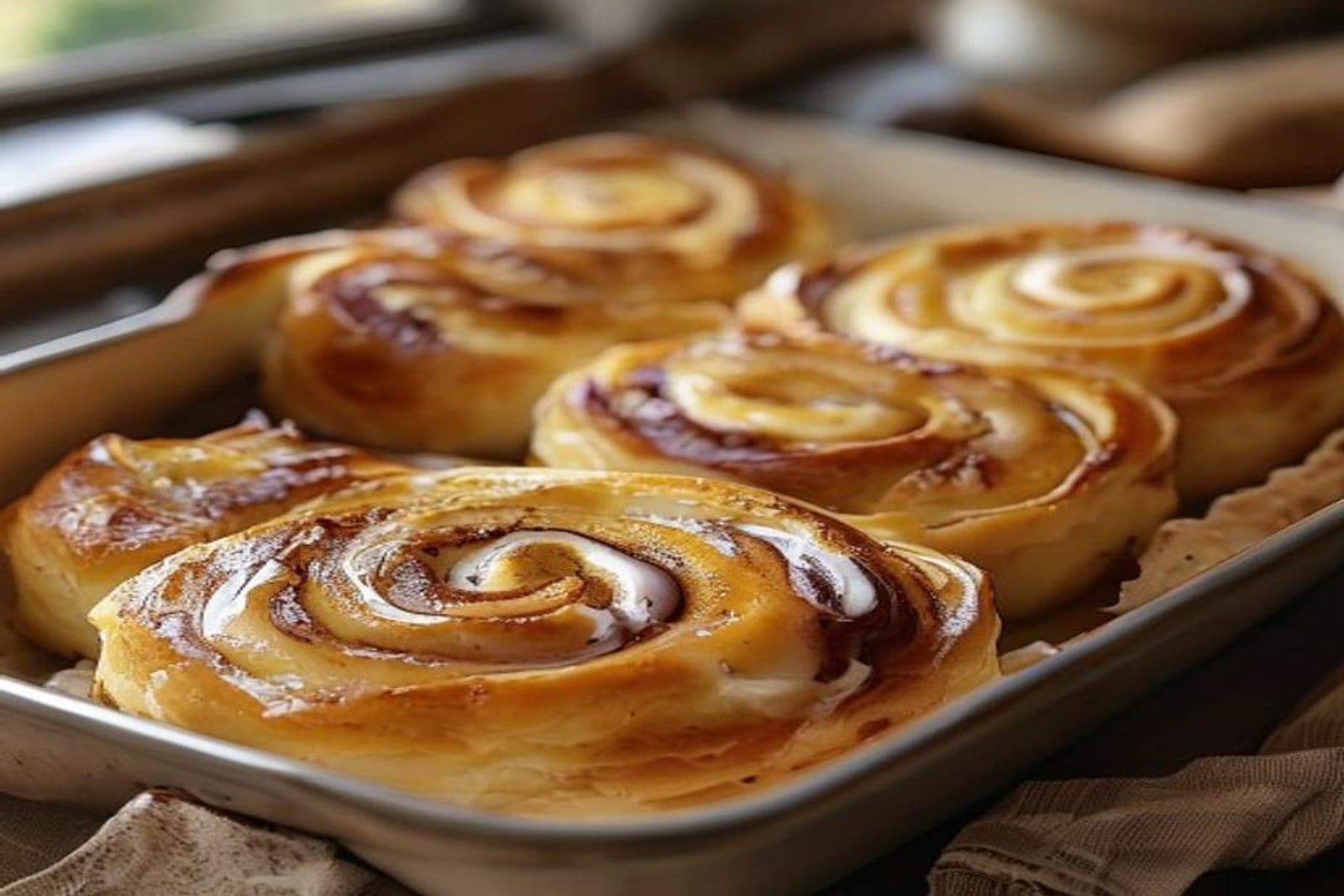
Soft, tender gluten-free cinnamon rolls made with a 1:1 flour blend and psyllium husk for a crumb that actually rolls and stays fluffy.
- Total time
- 2 hr 4 min
- Bake
- 24 min
- Yield
- 9 rolls
- Level
- intermediate
The quick answer
Gluten-free cinnamon rolls work best with a 1:1 gluten-free flour blend containing xanthan gum, plus a little psyllium husk for elasticity so the dough rolls without cracking. Psyllium is the key upgrade that keeps the crumb soft and pull-apart instead of dry and crumbly.
Gluten-free cinnamon rolls have a reputation for being crumbly, gummy, or dry — but the fix is structure, not luck. This recipe leans on a good 1:1 gluten-free flour blend (the kind with xanthan gum already in it) plus a spoonful of psyllium husk, which mimics the stretch that gluten normally provides. That combination is what lets the dough roll up without cracking and bake into rolls that are genuinely soft and pillowy rather than sandy. They still rise with yeast, so you get real enriched-dough flavor and a proper pull-apart swirl — no one at the table has to know they're gluten-free.
Ingredients
Dough
- 1 cupwarm whole milk (about 110°F) — warm, not hot
- 2¼ tspinstant yeast — one packet
- 3 tbspgranulated sugar
- 3 cups1:1 gluten-free flour blend (with xanthan gum) — such as a cup-for-cup baking blend
- 1 tbsppsyllium husk powder — optional but recommended for elasticity
- ½ tspxanthan gum — omit if your blend already lists 1 tsp+ per cup
- 5 tbspunsalted butter, melted — cooled slightly
- 2 largeslarge eggs — room temperature
- 1 tspfine salt
Filling
- 6 tbspunsalted butter, very soft
- ¾ cuppacked brown sugar
- 2 tbspground cinnamon
- ¼ tspfine salt
Cream cheese frosting
- 4 ozcream cheese, softened
- ¼ cupunsalted butter, softened
- 1 cuppowdered sugar
- 1 tspvanilla extract
- pinch of salt
Instructions
Whisk warm milk, yeast, and 1 tsp of the sugar. Let it sit until foamy.
Surface looks foamy and smells yeasty.
In a large bowl, whisk the gluten-free flour blend, psyllium husk, xanthan gum, and salt. Add the yeast mixture, remaining sugar, melted butter, and eggs.
Beat with a stand mixer (paddle, not hook) or sturdy spoon until you have a thick, sticky, smooth dough. It will be softer and stickier than wheat dough — that's correct.
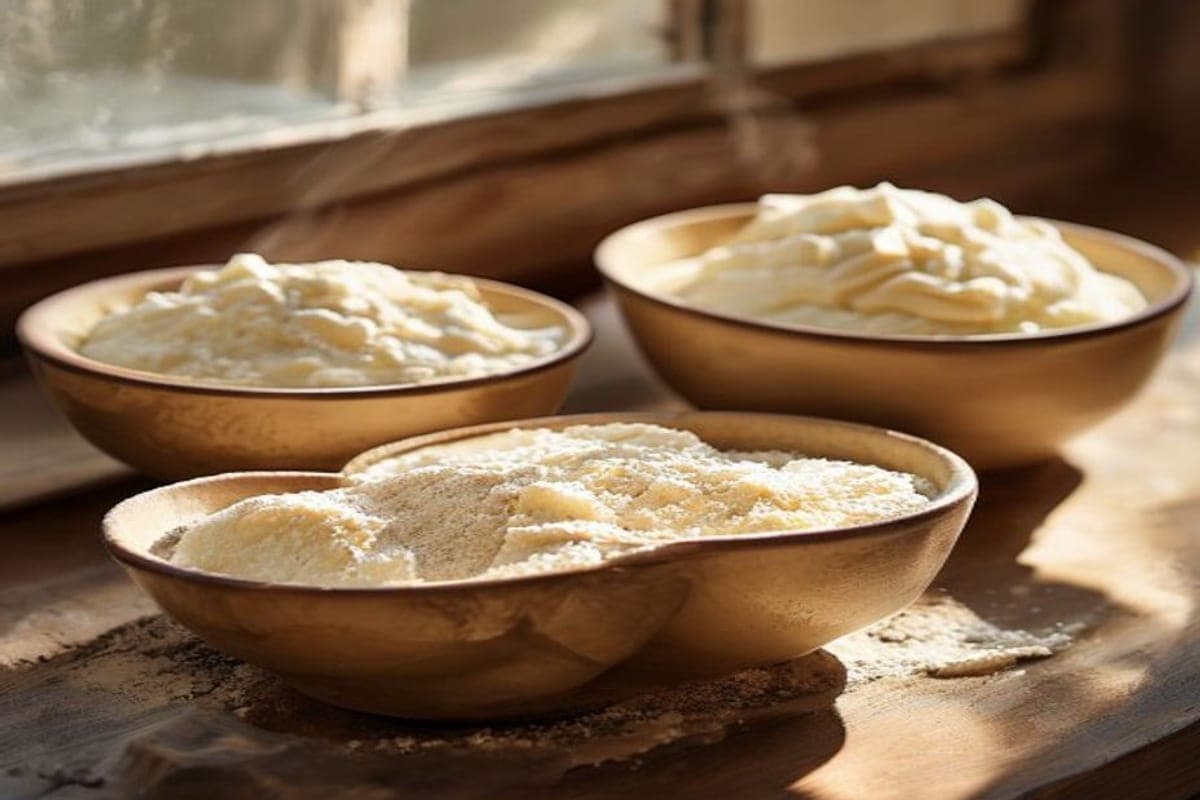
Dough is thick like a soft cookie dough and pulls together in a mass.
Cover and let rest in a warm spot to rise. Gluten-free dough won't double dramatically but will visibly puff.
Dough has puffed and looks softer and airier.
Scrape the dough onto a large sheet of parchment dusted with a little gluten-free flour. Top with a second sheet and roll into a 12x10-inch rectangle. Peel off the top sheet.
Spread with the soft butter, then sprinkle the brown sugar, cinnamon, and salt evenly to the edges.
Using the parchment to lift and guide, roll up snugly from the long edge. Cut into 9 rolls with a sharp knife or floss and arrange in the buttered dish.
Spirals hold together; a little cracking on the outside is normal.
Bake at 350°F until golden and set — gluten-free rolls need a couple extra minutes to cook through the center.
Tops are golden and the center roll is firm, not doughy.
Cool 10 minutes. Beat the frosting until smooth and spread over the warm rolls.
Frosting softens and melts slightly into the swirls.
Make ahead, store & reheat
- Make ahead
- Assemble through cutting and arranging in the pan, cover tightly, and refrigerate overnight. In the morning, let them sit at room temperature for about an hour to take off the chill and puff before baking.
- Storage
- Store covered at room temperature up to 2 days, or refrigerate up to 4 days. Gluten-free rolls dry out faster, so keep them well wrapped.
- Reheating
- Microwave a single roll 15–20 seconds with a damp paper towel over it to keep the crumb moist, or warm the covered pan at 300°F for about 10 minutes.
- Freezing
- Freeze baked, unfrosted rolls up to 2 months. Thaw wrapped, warm gently, then frost.
Substitutions
- Ground flax or chia gel (1 tbsp ground + 3 tbsp water), for extra bind if skipping psyllium instead of psyllium husk powder
- Any unsweetened plant milk (for dairy-free, also swap butter and frosting) instead of warm whole milk
Troubleshooting
- Rolls were gummy in the middle
- Gluten-free dough needs to bake fully. Give it the extra few minutes and check that the center roll is firm — underbaking reads as gumminess.
- Dough cracked badly when rolling
- Include the psyllium husk and roll between parchment sheets. If it still cracks, the dough is too dry — work in a tablespoon of milk.
- Rolls turned out dry and crumbly
- Measure the flour by weight (blends vary a lot by cup), don't overbake, and be sure your blend contains xanthan gum or add your own.
- Dough didn't puff during the rise
- Gluten-free dough won't double like wheat dough, but it should look softer and airier. If nothing happened, the milk may have been too hot and killed the yeast, or the yeast was old — proof it first until foamy and keep the dough in a genuinely warm spot.
- Rolls came out squat and flat
- Too much liquid or under-proofing keeps them dense. Weigh the flour, give the dough its full rise until visibly puffed, and don't roll it too thin — a thicker rectangle holds a taller spiral.
Tools I reach for
As an Amazon Associate, CinnamonRollsRecipe.com earns from qualifying purchases. Read our full affiliate disclosure.
- Stand Mixer with Dough HookKneads enriched dough hands-free until smooth and elastic.
- Digital Kitchen ScaleWeighing flour is the single biggest fix for dry or dense rolls.
- Rolling PinRolls the dough into an even rectangle for tidy spirals.
- 9x13 Baking DishThe classic pan for a soft-sided pull-apart batch of rolls.
- Saigon (Vietnamese) CinnamonThe boldest, sweetest cinnamon for a deep filling flavor.
Frequently asked questions
- Which gluten-free flour blend works best?
- A 1:1 or cup-for-cup baking blend that already contains xanthan gum. Blends made mostly of rice and starches with a gum are ideal; single flours like almond or coconut will not work here.
- Is psyllium husk really necessary?
- It's optional but strongly recommended. Psyllium adds the stretch that gluten-free dough lacks, so the dough rolls without cracking and the baked crumb stays soft rather than sandy.
- Why is my gluten-free dough so sticky?
- Gluten-free cinnamon roll dough is meant to be soft and sticky — much wetter than wheat dough. Instead of adding lots of flour, roll it between parchment sheets to shape it.
- Can I make these gluten-free rolls dairy-free too?
- Yes. Use an unsweetened plant milk in the dough, swap the melted and softened butter for a vegan block butter, and make a dairy-free frosting or a simple powdered-sugar glaze. The psyllium and yeast still do their jobs.
- Can I substitute almond or coconut flour for the blend?
- No — single flours like almond or coconut behave completely differently and won't hold a rollable dough. You need a balanced 1:1 gluten-free blend of rice flours and starches with a gum for structure.
- Do gluten-free cinnamon rolls freeze well?
- Yes. Freeze them baked but unfrosted for up to two months, then thaw wrapped and warm gently before frosting. Freezing well-wrapped actually helps lock in moisture, which gluten-free rolls lose faster than wheat ones.
Nutrition (estimate): 1 roll (of 9) · ~440 kcal. Nutrition is an automated estimate and will vary with brands and exact quantities.
Food safety: don't taste dough containing raw flour or raw egg. Refrigerate anything with cream cheese frosting, and reheat leftovers until piping hot.
Frostings & glazes to pair
Helpful guides
- Why Are My Cinnamon Rolls Dry? (And How to Fix It)The real reasons cinnamon rolls turn out dry — over-baking, too much flour, and over-proofing — plus exactly how to fix each one.
- How to Store & Freeze Cinnamon RollsHow to keep cinnamon rolls fresh at room temperature, in the fridge, and in the freezer — including baked and unbaked rolls.
- How to Proof Cinnamon Roll DoughHow to proof cinnamon roll dough perfectly — how to tell when it's ready, the best warm spots, overnight cold proofing, and over- vs under-proof signs.
More cinnamon rolls to try
- Classic Homemade Cinnamon RollsSoft, fluffy, bakery-style cinnamon rolls from scratch with a gooey brown-sugar filling and cream cheese frosting.
- Dairy-Free Cinnamon RollsSoft, fluffy cinnamon rolls made entirely without dairy, using plant milk and vegan butter with a dairy-free icing.
- Overnight Cinnamon RollsAssemble the night before, refrigerate, and bake fresh in the morning — a slow cold proof for deeper flavor and effortless mornings.
- Keto Cinnamon Rolls (Low-Carb, Grain-Free)Grain-free cinnamon rolls built on fathead dough — almond flour and melted mozzarella — with a sugar-free cinnamon filling and cream cheese frosting, at a few net carbs each.